Electronic invoicing mandates: what they mean for SAP users
By ERP TOHAMA Group
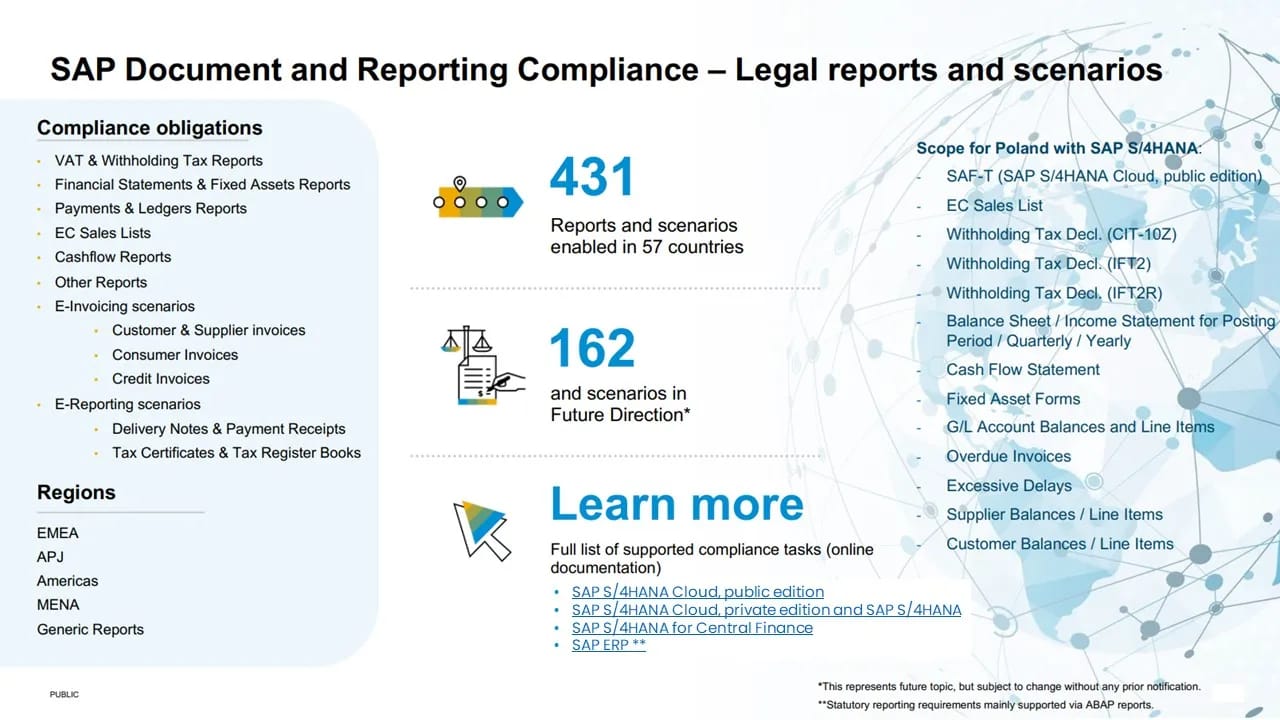
Mandatory electronic invoicing requirements are already in force in markets including Mexico (CFDI), Brazil (NF-e, NFS-e, CT-e), Italy (FatturaPA, SDI), Belgium (Peppol) and Japan (Qualified Invoice System). France is moving toward electronic invoicing readiness, and more countries across the European Union are expected to introduce similar frameworks.
What integration with SAP involves
Integration generally means configuring SAP to generate invoice data in the required format, connecting to the relevant government or network platform, validating and transmitting documents, and processing the confirmations or rejections that come back. The configuration and middleware required depend on the country.
Why it pays to plan early
Consequences of non-compliance vary by jurisdiction but can include invoices rejected as invalid for tax purposes, financial penalties, and disruption to accounts payable and receivable with trading partners. Because requirements and enforcement dates change, organizations should confirm current obligations with local tax authorities or legal counsel alongside their SAP implementation.
More: Electronic Invoicing.